A UNFCCC COP31 event
Hosted in collaboration with the MSCI Institute

This Blue Zone hosted invitation-only roundtable at COP31 will bring together senior leaders from finance, business and policymaking to examine the financial case for climate action, from evidence of progress to the role of policy and the economic costs of falling behind.
Drawing on findings from the COP31 edition of the MSCI Institute’s Transition Finance Tracker, participants will explore where capital is flowing, how policy and technology shape companies’ transition prospects and what growing physical climate risks mean for companies, investors and economies.
Please confirm your interest in participating by November 9th. A Blue Zone pass will be required to participate.
Participants

Linda-Eling Lee
Founding Director and Head of the MSCI Institute
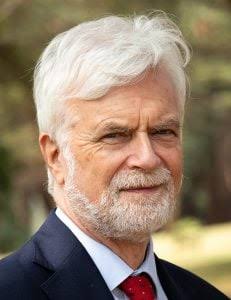
Professor Sir Jim Skea
Chair of the Intergovernmental Panel on Climate Change (IPCC)
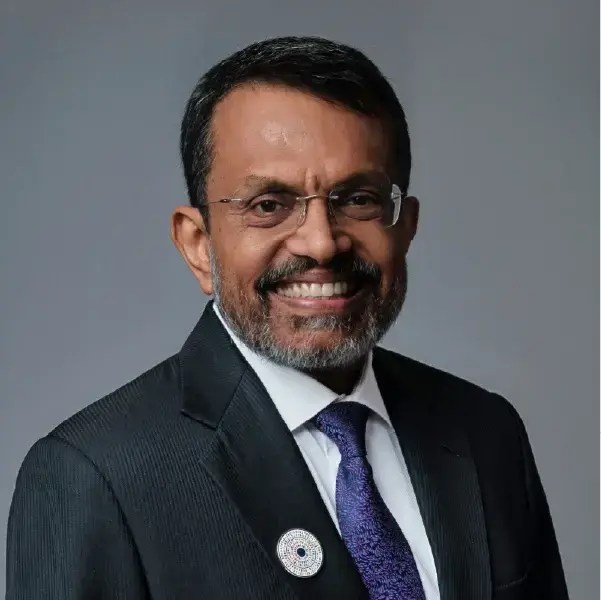
Ravi Menon
Singapore's Ambassador for Climate Action and Senior Adviser (National Climate Change Secretariat)
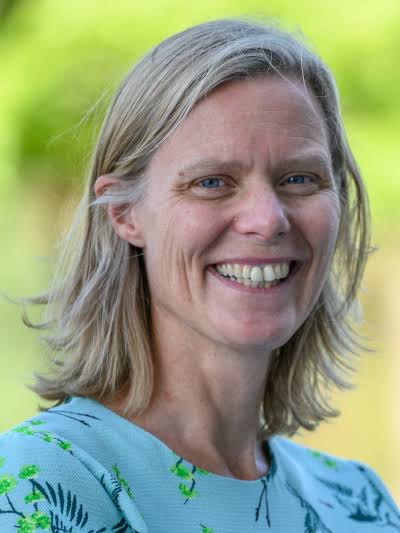
Irene Heemskerk
Head of the Climate Change Centre, ECB
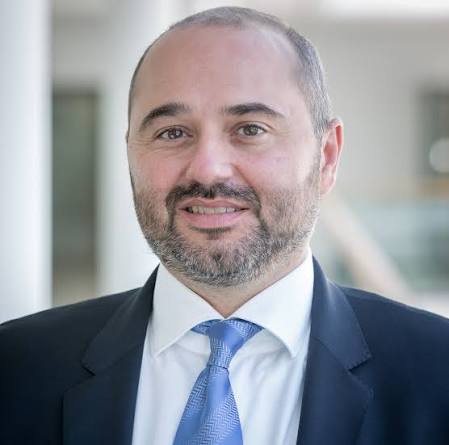
James Grabert
Head, Mitigation Division of the UNFCCC

Dr. Barbara Buchner
CEO, Climate Policy Initiative
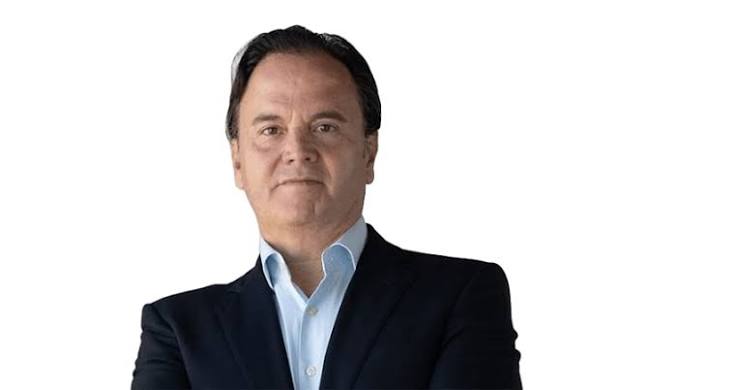
Javier Rodriguez Soler
Global Head of Sustainability and Global Head of Corporate & Investment Banking, BBVA
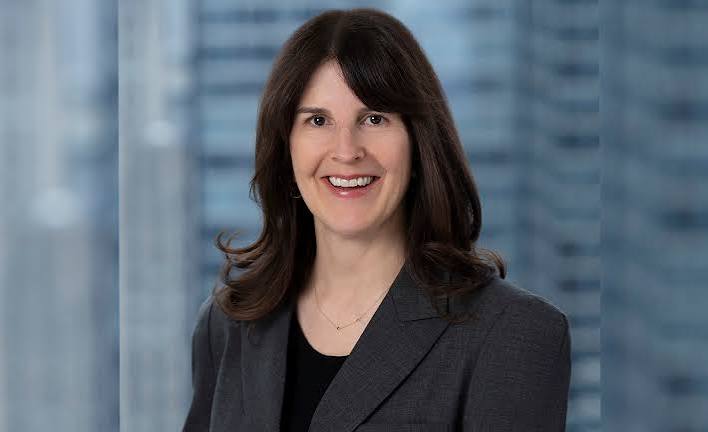
Jaycee Pribulsky
Partner, CSO, Apollo
Matt Kaczmarek
Head of Emerging Market Credit Strategy, Global Infrastructure Partners, a part of Blackrock
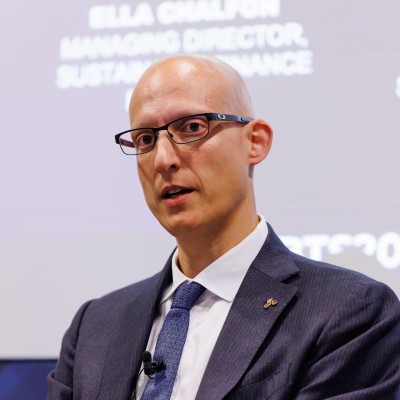
Gianluca Cantalupi
Firmwide Risk Executive and Head of Climate, Nature, and Social Risk, JPMorgan Chase

Melissa Moi
Head of Sustainable Business in the Corporate Sustainability Office, UOB

Franziska Zimmermann
Managing Director for Sustainability, Temasek
Agenda
9:00a.m. – 9:05 a.m.
Welcome and Opening Remarks
James Grabert, Head of Mitigation, UNFCCC
An introduction to the financial case for climate action and the role of evidence in connecting policy ambition with investment and economic outcomes.
9:05 a.m. – 9:40 a.m.
The business and financial case for transition
Clean-energy investment is pulling ahead of fossil-fuel investment, but the pace of transition varies across industries and technologies. Participants will examine where private capital is flowing, which technologies are becoming commercially viable and what these developments reveal about business opportunities, barriers to investment and potential economic benefits for countries.
Moderated by Linda-Eling Lee, Founding Director and Head of the MSCI Institute
9:40 a.m. – 10:15 a.m.
Accelerating the transition through policy
Policies such as carbon pricing and fossil-fuel subsidies shape the transition pressures companies face. Research suggests that better-prepared companies have tended to outperform less-prepared peers, particularly under greater transition pressure. The focus will be on which policy conditions can mobilize investment, strengthen competitiveness and influence how transition risks are reflected in financial performance.
Moderated by Chris Cote, Executive Director, MSCI Research & Development
10:15 a.m. – 10:20 a.m.
The rising cost of falling behind
Physical climate impacts are already imposing measurable costs on assets, companies and economies. The conversation will explore the gap between climate commitments and emissions trajectories, the financial consequences of growing physical risk and the implications for investment and policy decisions.
Moderated by Linda-Eling Lee, Founding Director and Head of the MSCI Institute
10:20 a.m. – 10:30 a.m.
Closing Remarks
Jim Skea, Chair of the Intergovernmental Panel on Climate Change (IPCC)
By registering for this event, you acknowledge that your registration information will be shared with our event partner. Your information will be processed by MSCI for the purposes of registration and administration of the event. For more information on how your information is processed by MSCI, please review our Privacy Notice.